There’s a version of a food plot that most hunters imagine: a lush, open clearing loaded with clover or soybeans, deer moving through it at first light. And that version is absolutely achievable on Michigan property — but it doesn’t start with a seed bag. It starts with the ground itself.
The difference between a food plot that performs season after season and one that disappoints comes down almost entirely to site preparation. This guide covers what it actually takes to build a productive food plot on Michigan hunting land — from site selection and clearing through soil work, planting strategy, and long-term management.
Why Food Plots Matter for Michigan Hunters
Michigan is serious whitetail country. It’s also home to strong populations of wild turkey, pheasant, and small game. For landowners who want to maximize their property’s wildlife draw — and their hunting opportunities — food plots are one of the most effective tools available.
The benefits go beyond just attracting game to a spot. A well-designed food plot program:
- Keeps deer and other game on your property rather than drifting to neighboring land
- Improves the overall health of the deer herd through consistent, high-quality nutrition that supports antler growth and fawn production
- Creates predictable movement patterns that make hunting more strategic and successful
- Enhances the habitat for a range of wildlife beyond just the species you’re hunting
- Adds long-term value to your land as a managed wildlife property
And in Michigan’s Lower Peninsula, where baiting on private land is prohibited, food plots are one of the legal and most effective ways to consistently concentrate wildlife.
Step 1: Choosing the Right Location
You can plant the best seed money can buy and still fail if the site is wrong. Food plot location is everything.
Here’s what to look for — and what to avoid:
Sunlight exposure. Most food plot crops need 6 to 8 hours of direct sunlight per day. In Michigan’s forested terrain, that often means clearing and thinning surrounding timber to open the canopy. A plot in permanent shade won’t produce.
Soil quality and drainage. Wet, saturated ground grows poor crops and is hard to work. Michigan soil conditions vary enormously by location — sandy loam in some areas, heavy clay in others. Well-drained soil with a reasonable organic layer gives you the best starting point.
Size and shape. Michigan food plot specialists generally recommend a minimum of one acre to ensure adequate forage production. Shape matters too — irregular or elongated plots create more edge habitat, which is exactly where whitetail prefer to feed and linger.
Access and wind. A food plot that requires you to walk through prime bedding areas on the way in will work against you. Think about your entry and exit routes in relation to prevailing wind directions before you commit to a location.
Proximity to cover. Deer rarely feel comfortable feeding in wide open spaces with no nearby escape cover. Plots that back up to timber, brush, or bedding areas draw significantly more consistent use.
Step 2: Land Clearing and Site Prep — This Is Where It Starts
Here’s the hard truth: most Michigan properties don’t have an open clearing sitting there waiting to become a food plot. The work starts with removing trees, pulling stumps, opening the canopy, and getting the ground into a workable condition.
This is the phase most hunters underestimate. It’s also the phase that determines whether everything after it succeeds or fails.
Tree and Brush Removal
Selective clearing is usually the goal — not a full timber harvest. You’re looking to open the canopy over your target area while preserving surrounding tree lines, cover, and the mature timber that provides edge habitat. The trees you remove can range from small-diameter brush and volunteer growth to mature timber, depending on the site.
Mac’s Timber & Terra handles this type of selective clearing regularly — taking out what needs to come out, preserving what should stay, and leaving you with a cleared area ready for the next steps.
Stump Removal
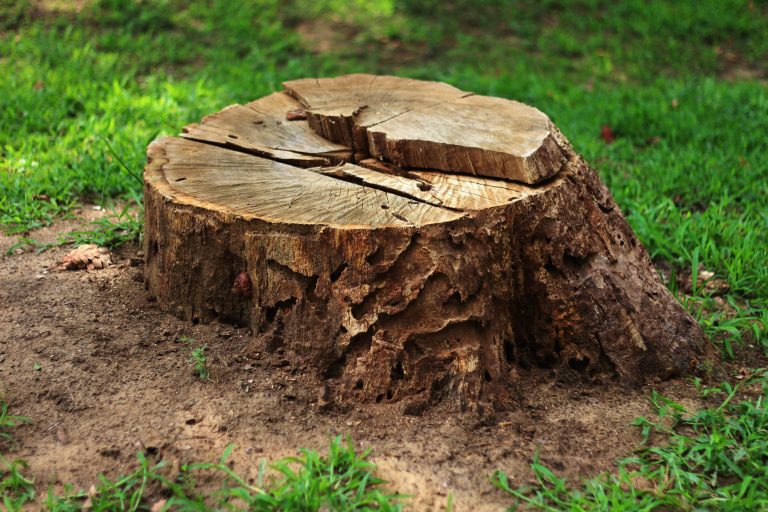
Stumps left in a food plot are a long-term problem. They’re obstacles for tillage equipment, they sprout new growth aggressively, and they decompose unevenly, creating depressions and voids in the plot over time. Grinding or full removal of stumps before soil work begins is almost always the right call.
Rough Grading
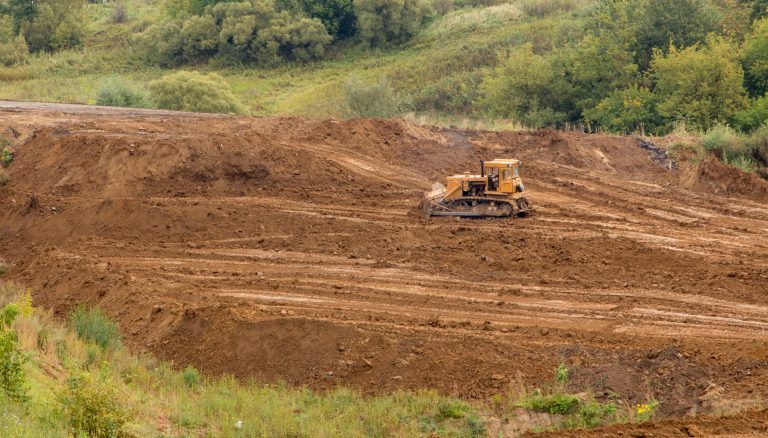
Once cleared, the site often needs some rough grading to level uneven terrain, address low spots that will hold water, and create a workable surface for planting. Minor grading work at this stage prevents major headaches later.
Step 3: Soil Testing — Don’t Skip This
Before you spend a dollar on seed, test your soil. Soil pH is the single most important factor in determining whether your food plot crops will grow or stagnate, and Michigan soils — particularly in forested areas — tend to be acidic.
Most food plot crops perform best at a pH between 6.0 and 7.0. Below that, nutrients become less available to plants regardless of how much fertilizer you apply.
Contact your local Michigan State University Extension office or a private soil lab for a test. It’s inexpensive, fast, and gives you a precise starting point for lime and fertilizer recommendations.
Step 4: Lime and Fertilizer Application
If your soil test shows low pH — which is common in Michigan’s forested regions — lime needs to be applied well before planting. Lime takes time to work into the soil; ideally it should go on several months before you intend to plant, or at least a few weeks minimum.
Fertilizer needs vary by crop. Most food plot seed companies provide detailed fertilizer recommendations with their products. Follow the soil test results over generic recommendations whenever possible.
Step 5: Choosing What to Plant
Michigan’s climate and hunting season timing should drive your seed selection. Here are the most reliable food plot crops for Michigan hunters:
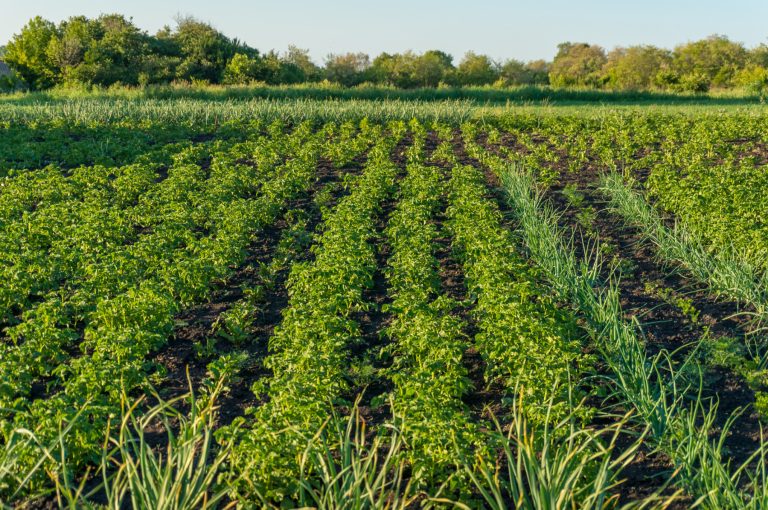
Clover — One of the best long-term options for Michigan. Deer consume clover all year, it’s familiar to the local deer herd, and white clover in particular thrives in Michigan’s climate. A well-managed clover plot can remain productive for multiple years before needing replanting. Ideal for wooded areas with decent sunlight.
Soybeans — Excellent for summer and early fall drawing power, and the standing beans through winter are a major attractant during late-season hunting. Require more equipment to plant properly and more open, productive soil than clover.
Winter Wheat and Oats — Plant in late August and deer will be on it by bow season. Winter wheat is cold-tolerant, inexpensive, and one of the best options for getting a plot established quickly. It keeps producing into late fall when other crops are done.
Brassicas (Turnips and Radishes) — Brassicas come into their own after the first hard frost, when the cold converts their starches to sugars. Late-season hunters swear by brassica plots for pulling deer out in cold November and December weather.
Corn — If you have the acreage and equipment, standing corn through winter is a powerhouse attractant. The overhead required is higher, but few food sources will hold deer on your property the way a corn plot does.
Clover/Chicory/Rye Mix — For first-time food plotters or smaller areas, a quality mixed blend provides year-round forage across multiple species types. Lower-maintenance than monoculture planting and forgiving of imperfect conditions.
Step 6: Nature Trails and Access Routes
A food plot without good access planning is a food plot you’ll hunt wrong. Nature trails — cut intentionally through timber and brush to reach your stands and plots without disturbing the area — are an important part of any serious wildlife management setup.
Well-planned trails give you:
- Quiet, low-impact access to your hunting areas without blowing out adjacent bedding cover
- Better air scent control by letting you approach from the right angle in relation to prevailing winds
- Multiple access options so you can adapt to wind and conditions on any given hunt
At Mac’s Timber & Terra, we cut and clear access trails as part of land management projects — routing them thoughtfully in relation to the habitat features, food plots, and stand locations on the property.
Step 7: Long-Term Management
A food plot isn’t a one-time project. It’s an ongoing management commitment. The best plots get better over time as the soil improves, the surrounding habitat matures, and you learn what your local deer herd responds to.
Year-over-year management includes:
- Annual soil testing to monitor pH and fertility
- Re-seeding or rotating crops as needed based on plot performance
- Controlling invasive weeds and grasses that compete with food plot crops
- Monitoring deer activity through cameras and observation to understand how the herd is using the plot across seasons
- Adjusting stand placement and access routes as you gather more information
Food Plot Development in Michigan: A Real Investment in Your Land
A properly developed and managed food plot system makes your Michigan hunting property dramatically more productive — not just for hunting, but for the long-term health and value of the land itself. The habitat improvements that come with thoughtful food plot development benefit the entire wildlife community on your property for years.
At Mac’s Timber & Terra, we help Michigan landowners with every phase of food plot development — from initial clearing and site prep through trail cutting and land management. We’re hunters and land people ourselves, and we understand what you’re trying to build.
Ready to Develop Your Michigan Hunting Land?
Whether you’re starting from raw timber or improving an existing property, Mac’s Timber & Terra has the equipment and experience to get the groundwork right.
Contact us today for a free consultation on your property.