Whether you’ve just purchased raw acreage in mid-Michigan, inherited an overgrown family parcel, or finally decided to do something with that neglected back forty — land clearing is the first real step toward turning potential into something usable. And if you’ve never been through the process before, it can feel overwhelming before the first tree ever hits the ground.
This guide breaks down exactly what land clearing involves, why it matters, and what Michigan property owners should know before getting started.
What Is Land Clearing, Exactly?
Land clearing is the process of removing trees, brush, stumps, downed timber, and overgrown vegetation from a piece of property. It sounds straightforward — and in many ways it is — but done right, it’s a strategic process that sets the foundation for everything that comes after, whether that’s a new build, a food plot, a trail system, a pasture, or simply a cleaner, safer piece of land.
At Mac’s Timber & Terra, we handle land clearing projects of every size across Michigan — from cleaning up a few overgrown fence rows to opening up full acres of timber and brush for development or wildlife management.
Why Land Clearing Matters More Than You Might Think
A lot of property owners put land clearing off because the land “still works.” But untouched, overgrown land comes with real costs over time:
Safety hazards. Downed trees, rotting stumps, and dense brush create risk for people, livestock, and equipment. Unstable trees near structures or fences are accidents waiting to happen.
Pest and invasive species pressure. Overgrown areas become breeding grounds for invasive plants, ticks, and other pests that spread to the rest of your property.
Property value. Cleared, maintained land is simply worth more — and more attractive to buyers if you ever decide to sell. Michigan landowners are seeing strong land values right now, and well-managed acreage stands out.
Fire risk. Heavy brush and dead timber accumulation creates serious wildfire risk, especially during dry Michigan summers.
Lost opportunity. Whether it’s hunting land, tillable acreage, or buildable lots — overgrown land can’t be used the way cleared land can.
Common Types of Land Clearing Jobs in Michigan
Not every land clearing project looks the same. Here’s a breakdown of the most common work we do:
Removing Downed and Dead Trees
Storm damage, disease, and age bring down trees constantly across Michigan properties. Downed timber left in place rots, attracts pests, and creates obstacles that compound over time. Removing it cleans up the land and can sometimes produce usable timber in the process.
Clearing Fence Rows
Fence rows are notorious for going from manageable to completely overgrown in just a few seasons. Brush, volunteer trees, and invasive species take over quickly. Clearing a fence row restores clean property lines, improves drainage along the edge, and makes maintaining fences far easier long-term.
Thinning Overgrown Areas
Not every clearing job is a full removal. Selectively thinning dense areas — removing overcrowded, weak, or undesirable trees and brush while preserving the best timber and habitat features — opens the canopy, allows remaining trees to grow stronger, and dramatically improves the health and usability of your land.
How the Land Clearing Process Works
Every project is a little different depending on size, terrain, and what you plan to do with the land afterward. But the general process follows a consistent path:
1. Site Assessment Before any equipment touches the ground, we walk the property. We’re looking at what needs to come out, what should stay, terrain challenges, access points, and how we’ll handle debris. This step keeps surprises off the job.
2. Tree and Vegetation Removal Trees are felled and removed, brush is cut, and overgrown areas are worked through systematically. Larger trees and stumps are handled with the right equipment for the job — there’s no one-size-fits-all approach.
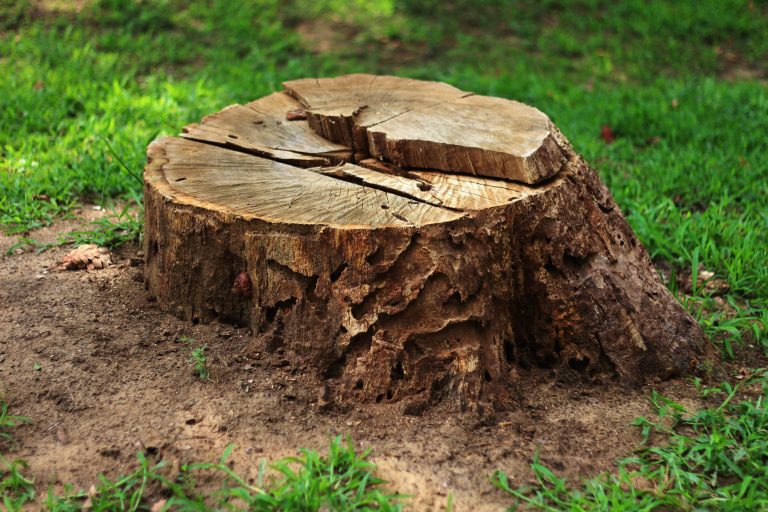
3. Stump Removal Stumps left in the ground cause long-term headaches — they’re obstacles for equipment, they sprout new growth, and they slow decomposition of the surrounding soil. Grinding or full removal is almost always the right call.
4. Debris Management Cleared material needs somewhere to go. Depending on the project, that might mean chipping, burning (where permitted), hauling, or using cleared material on-site as erosion control in appropriate areas.
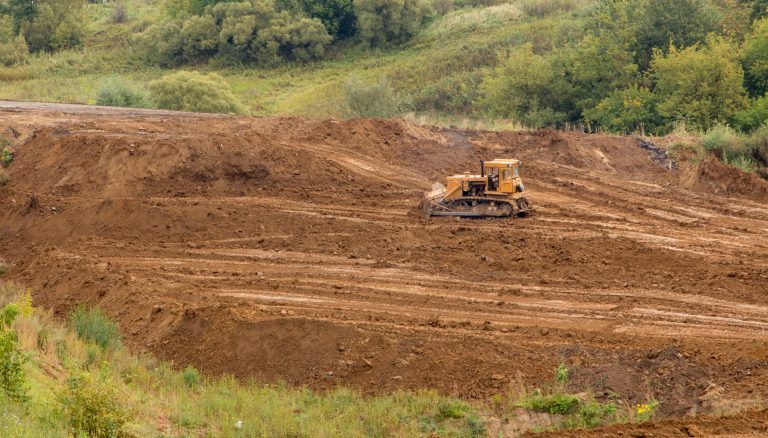
5. Final Grade and Cleanup Once the clearing is complete, we address the surface — removing debris, rough grading if needed, and making sure the land is clean and ready for its next phase.
What Does Land Clearing Cost in Michigan?
Costs vary based on a few key factors:
- Acreage and density — A lightly wooded acre clears faster than a heavily timbered one
- Terrain — Flat, accessible land is less expensive than steep, wet, or hard-to-reach parcels
- Stump handling — Full stump removal adds to cost but is often worth it
- Debris disposal — Hauling debris off-site costs more than on-site chipping or burning
- Permits — Some Michigan townships require permits for certain clearing work; we help our clients navigate that
In Michigan, residential land clearing can range from roughly $1,000 to $6,000 or more per acre depending on these variables. A site assessment is the only way to get an accurate number for your specific property.
Do You Need a Permit to Clear Land in Michigan?
It depends on your township, the size of the clearing, and what’s being removed. Some Michigan municipalities have specific ordinances around tree removal, especially near wetlands, waterways, or in certain zoning districts. Clearing near protected areas or waterways may require coordination with the Michigan Department of Environment, Great Lakes, and Energy (EGLE).
Mac’s Timber & Terra is familiar with the regulations across mid-Michigan and can help you understand what’s required before we start work.
When Is the Best Time to Clear Land in Michigan?
Honestly? Late fall through early spring is often ideal. Here’s why:
- Ground is frozen or firm, reducing equipment damage to the soil surface
- Leaves are down, improving visibility and access
- Wildlife disruption is minimized during non-nesting seasons
- Invasive species and pests are less active
That said, land clearing can be done year-round. Summer clearing works well too — it’s just a different set of conditions to work with.
Ready to Clear Your Michigan Property?
If you’ve got land that needs work — whether it’s a fence row, a full acreage clearing, or anything in between — Mac’s Timber & Terra is ready to put the right equipment and experience behind it.
We serve property owners across mid-Michigan with honest work, fair pricing, and the kind of attention to detail that comes from people who actually love working the land.
Contact Mac’s Timber & Terra today for a free site assessment and estimate.